
Understanding IBD: Our Clinic’s Holistic Approach
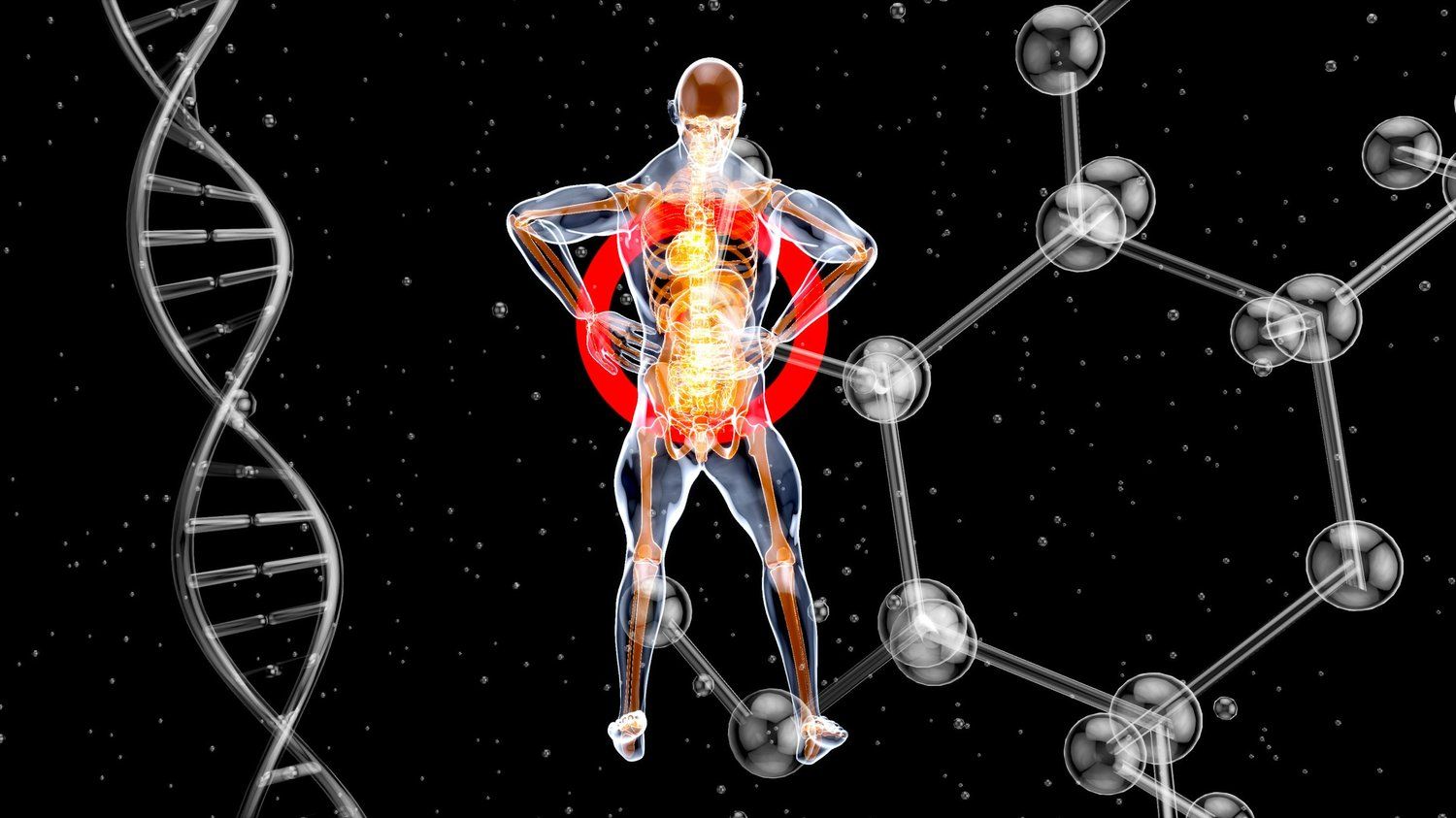
Inflammatory Bowel Disease (IBD) is a term that covers chronic inflammatory conditions affecting the gastrointestinal (GI) tract, primarily Crohn's disease and ulcerative colitis. These conditions can cause severe discomfort, disrupt daily life, and lead to complications if not properly managed. Common symptoms include abdominal pain, diarrhoea, fatigue, weight loss, and malnutrition. While conventional treatments often focus on managing symptoms, our clinic provides nutritional and lifestyle supports to promote digestive wellbeing, using frameworks such as the GAPS diet.
IBD is characterised by chronic inflammation of the GI tract, which can result in a wide range of symptoms that vary in severity and duration. Crohn's disease can affect any part of the digestive tract from the mouth to the anus, often leading to deep ulcers and scarring. Ulcerative colitis, on the other hand, primarily affects the colon and rectum, causing continuous inflammation and sores in the inner lining of the colon. These conditions are thought to be triggered by a combination of genetic predisposition, immune system malfunction, and environmental factors.
People with IBD may experience a variety of symptoms, including:
- Persistent diarrhoea or constipation
- Abdominal pain and cramping
- Blood or mucus in the stool
- Urgency to have a bowel movement
- Unexplained weight loss
- Fatigue and weakness
- Nutrient deficiencies
- Joint pain and skin rashes
These symptoms can severely impact the quality of life, making it essential to find an effective, sustainable way to manage the condition.
Our clinic advocates the GAPS (Gut and Psychology Syndrome) diet as a key component of our approach to supporting digestive health. The GAPS diet The GAPS diet focuses on supporting gut function and restoring balance to the gut microbiome, which is often disrupted in individuals with IBD. By eliminating foods that irritate the gut and incorporating nutrient-dense, easily digestible foods, the GAPS diet can support digestive processes.
One of the foundational elements of the GAPS diet is meat stock, which is rich in gelatin, amino acids, and minerals that can support gut function. Unlike bone broth, which is cooked for a longer period, meat stock is simmered for a shorter time, making it easier to digest and more beneficial for those with sensitive digestive systems. Regular consumption of meat stock may help to support gut health, support the immune system, and provide essential nutrients that may be lacking in those with IBD.
For some individuals with IBD, particularly those in the acute stages or with severe symptoms, even the fibre in vegetables can be too harsh on the gut. In these cases, our clinic may explore No Plant GAPS, under professional supervision. This variation of the GAPS diet eliminates all plant foods, focusing entirely on animal-based foods that are easier to digest and less likely to cause irritation.
On No Plant GAPS, patients consume meat stock, organ meats, animal fats, and eggs, all of which provide important nutrients without the fibre that can exacerbate inflammation.
In addition to meat stock and No Plant GAPS, other GAPS principles play a crucial role in our clinic’s approach to IBD. One of these is the inclusion of 24-hour fermented yoghurt. Made from high-quality milk, this yoghurt is fermented for a full 24 hours to ensure that virtually all of the lactose is broken down, making it easier to digest for those with compromised gut function. The long fermentation process also produces a high concentration of beneficial probiotics, which help to repopulate the gut with healthy bacteria, further aiding in digestion and immune function.
Other key GAPS principles we incorporate include:
Fermented Foods: In addition to 24hr yoghurt, fermented vegetables and beverages like milk kefir introduce beneficial bacteria to the gut, helping to restore microbiome balance.
Animal Fats: Healthy fats from sources like grass-fed butter, ghee, and fatty cuts of meat are valuble sources of nutrients needed for gut health.
Detoxification Support: Gentle detoxification practices, such as detox baths, can help support digestive processes
At our clinic, we understand that IBD is a complex condition that requires a personalised approach. Whether through the full GAPS diet, the No Plant GAPS variation, or other supportive therapies, our goal is to empower our clients to take control of their health and to support their digestive wellbeing.
Fix Insulin Resistance. Fix Leptin Resistance. Stop the food noise. Watch the weight shift & energy improve. Get your body back!
